
Classic Colombia
From the Andes to the Caribbean in ten days
Colombia has a cultural diagonal running from the Andes to the Caribbean, coverable in ten days. It begins in Bogotá, at two thousand six hundred metres of altitude, in a city that has spent five centuries accumulating layers of history. It ends in Cartagena, at sea level, in a port that for three centuries was the gateway for everything Spain wanted from this continent — including the people it brought by force from Africa, who built here an extraordinary culture from whatever was left to them.
Bogotá: the Andean archive
Bogotá opens the itinerary with the Museo del Oro and La Candelaria, Fragmentos, the Museo Botero, the Teatro Colón, and Monserrate at dusk. The Andean gastronomy tells stories of mestizaje in spaces that are the city itself.
Medellín: the city that rewrote itself
Medellín is the most surprising chapter. La Comuna 13, narrated by community guides who lived from the inside the passage from violence to urban art, is one of those experiences that reorders the way you understand what a city can do with its own history when it decides not to ignore it. The Museo de Antioquia, the Plaza de Botero, and lunch with a local chef in her community space complete a city that has far more to say than its prior reputation suggested.
La Comuna 13, narrated by community guides who lived from the inside the passage from violence to urban art.
Cartagena: the Caribbean closing
Cartagena closes the journey with five centuries of history visible in every stone. Castillo de San Felipe, the Museo de la Inquisición, the Museo de Arte Moderno. The baroque cathedrals and heritage houses of the walled center. And Getsemaní, the neighborhood that resisted gentrification with champeta and murals and remains the most alive and honest place in the city. A private lunch with a Caribbean matrona sharing recipes of Afro-descendant heritage is one of those experiences that exist in no restaurant, because what is transmitted there is not only a recipe but a way of understanding where what we eat comes from.
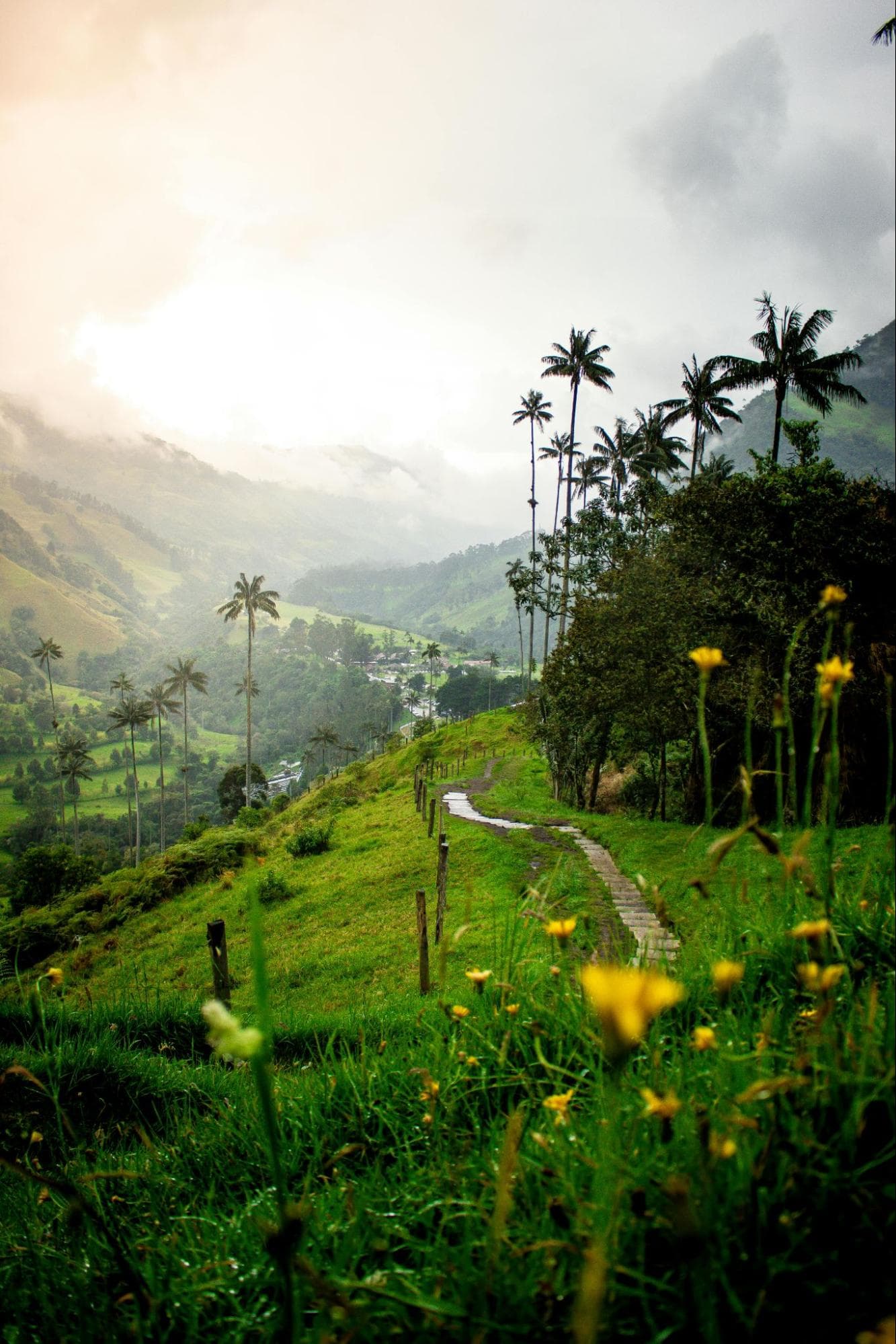
Valle del Cocora · Eje Cafetero
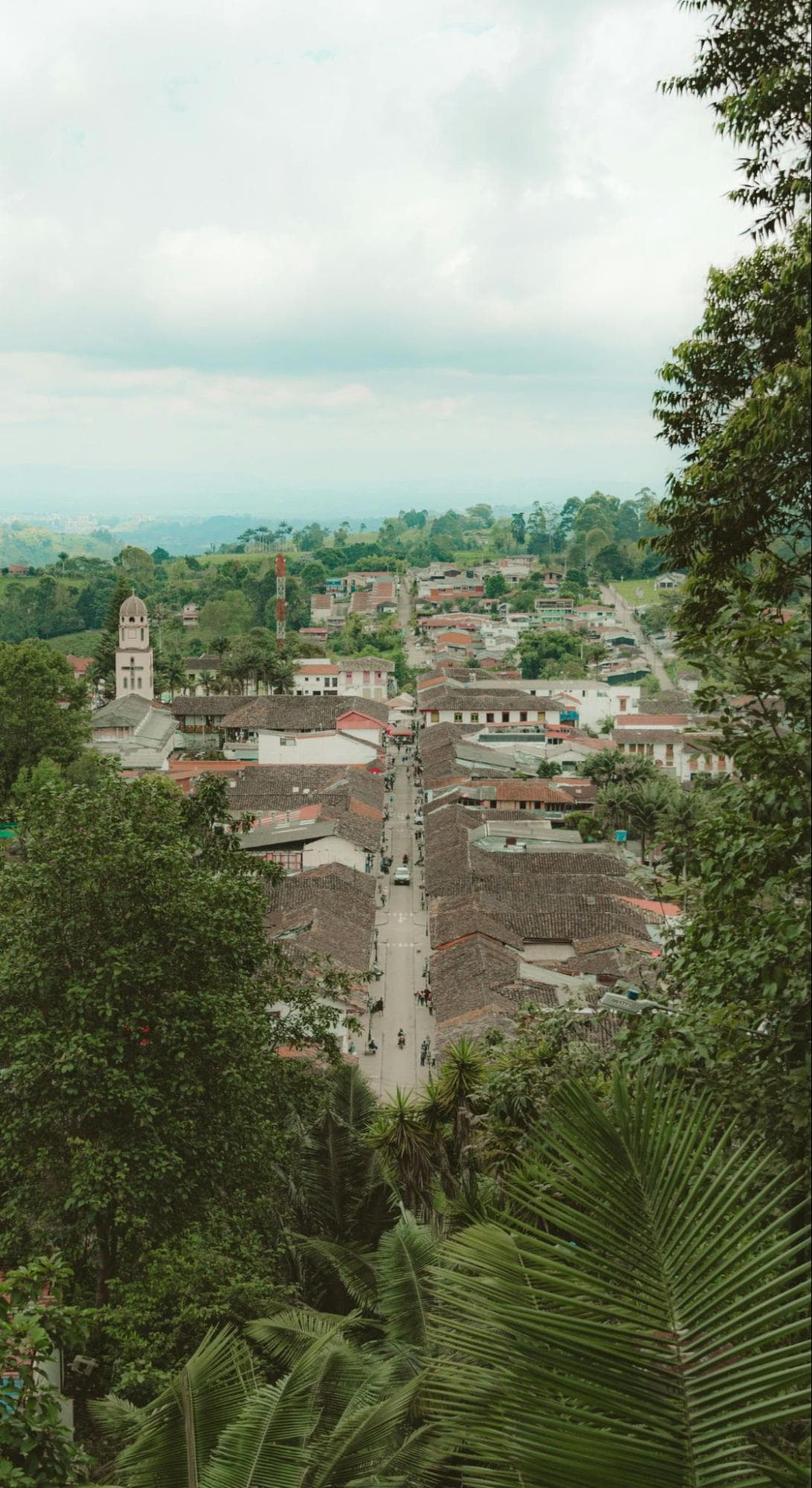
Calle Real · Salento
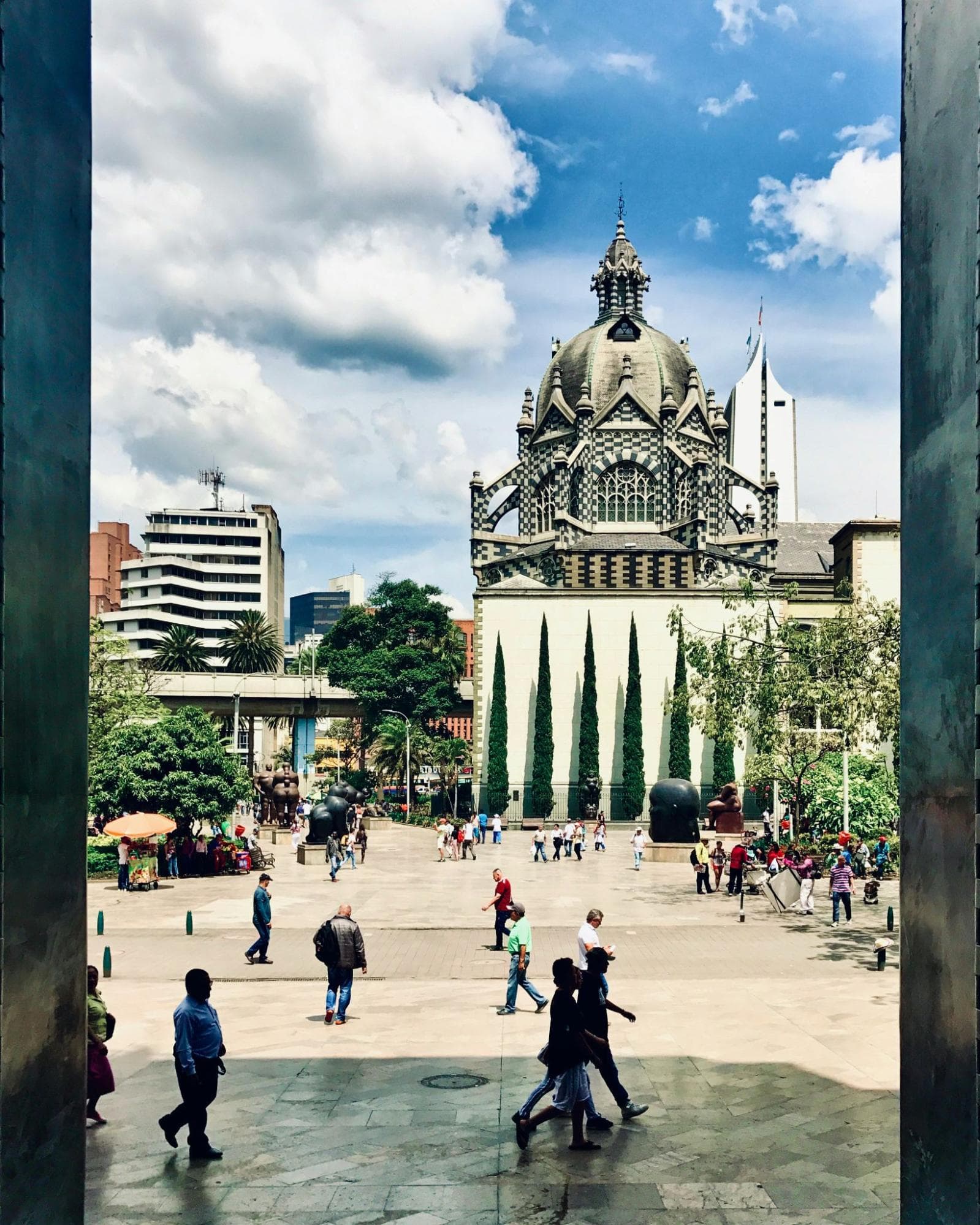
Plaza Botero · Medellín
murals · Comuna 13 · Medellín
urban life · Comuna 13
the hillside · Comuna 13
Orchid dome · Botanical Garden
Palacio de la Cultura · Medellín
colonial architecture · Salento
wax palms · Valle del Cocora
palm hill · Valle del Cocora
mountain mist · Valle del Cocora
the trail · Valle del Cocora
the court · Comuna 13
See the full journey