
Macondo and Magical Realism
Literature from the territory that wrote it
García Márquez grew up in a town where his grandmother recounted appearances of the dead with the same naturalness she spoke of the weather. Where a woman could levitate from love and no one was surprised. Where the United Fruit Company arrived one day with its engineers and trains and left behind a massacre the government tried to erase from the map. Aracataca didn't give him metaphors. It gave him facts.
There are readers who finish One Hundred Years of Solitude convinced that García Márquez had a prodigious imagination. Macondo is a place with coordinates. The banana massacre happened in front of witnesses. The man who sold little golden fish existed. And the Colombian Caribbean is still today a territory where reality doesn't ask permission before becoming extraordinary. This itinerary is designed for demanding readers, literature professors, Hispanists, and writers who understand that to read García Márquez well, you must first understand the territory that wrote him.
Aracataca: time works differently
The first impact of Aracataca is the heat, then the silence. Then the feeling that time there works differently — slower, denser, as if every hour carried the weight of all the hours before it. The local guides who knew the García family tell stories that never made it into any book, because some things in the Colombian Caribbean are transmitted only in voice, and only in the exact place where they happened.
Ciénaga: the wound that does not close
Ciénaga is the wound. In 1928, the United Fruit Company and the Colombian government massacred striking banana workers in the town square. Walking that square, visiting the yellow train station, and reading the massacre passage in the exact place where it happened, with a historian narrating the events and the way the novel transformed them, is one of those experiences that changes the way you read a book.
Valledupar: the oral tradition that was never written
In Valledupar, the vallenato reveals that the oral tradition García Márquez carried into prose never stopped being sung. Rafael Escalona narrated the same Caribbean from the accordion that Gabo narrated from the page, and a meeting with a juglar who understands that continuity explains something that literary studies rarely manage to.
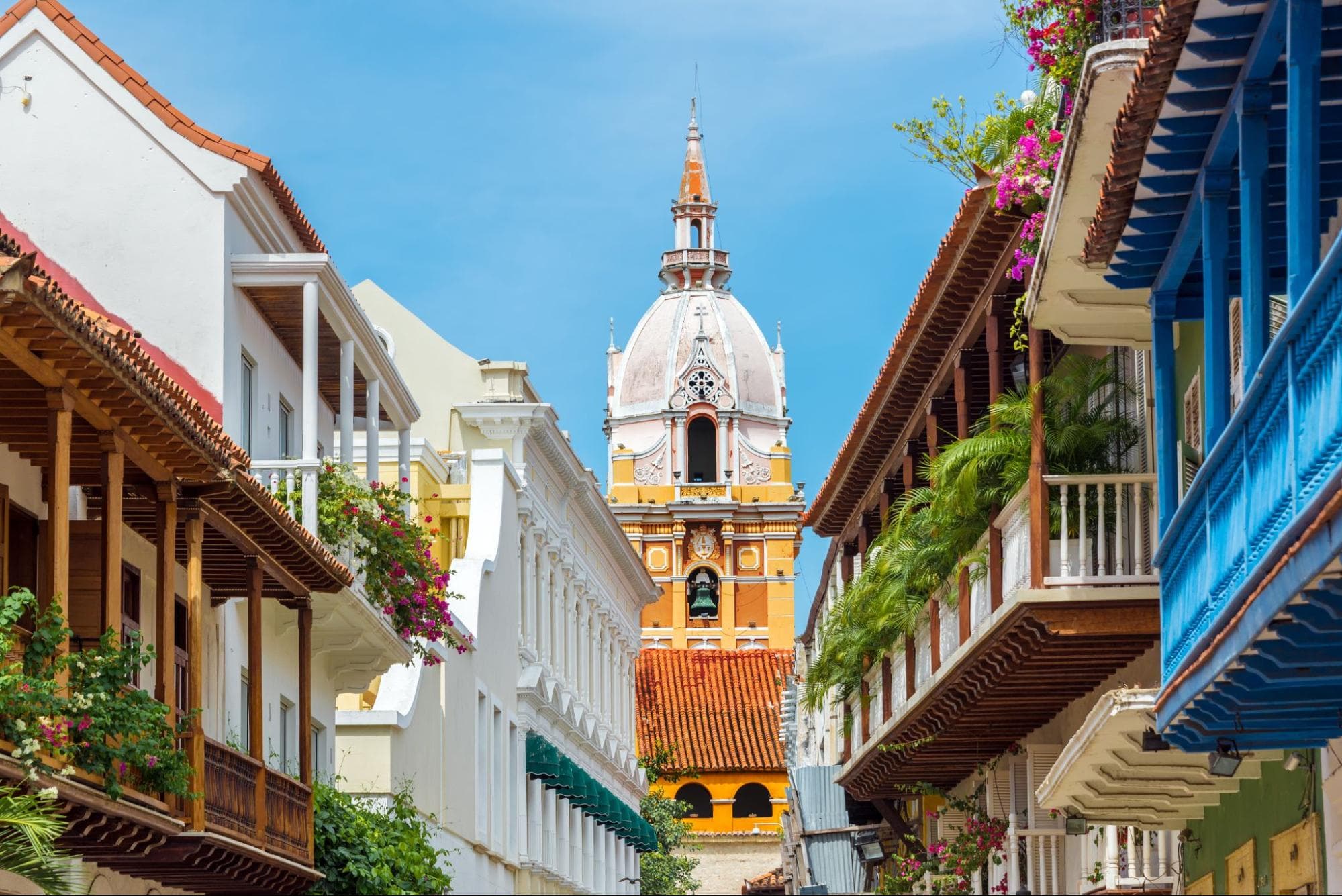
Cartagena: the city of Florentino Ariza
Cartagena closes the journey where García Márquez closed his other great novel. The Caribbean gastronomy that ends each day, cooked by matronas who inherited recipes the way juglares inherited songs, is also part of the same archive.
The city where Florentino Ariza waited fifty-one years, nine months, and four days.
balconies · historic center · Cartagena
colonial street · Cartagena
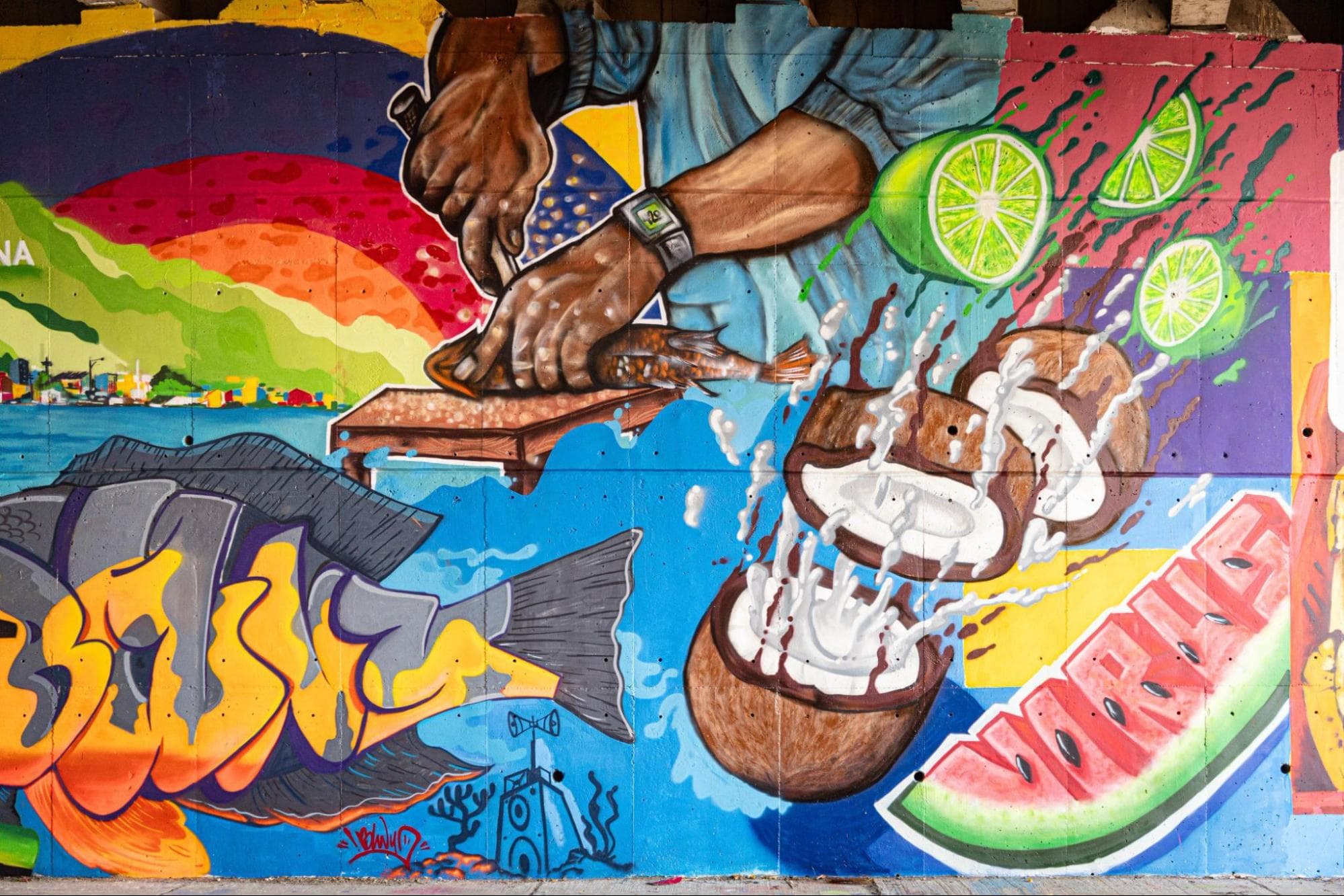
gastronomic mural · Getsemaní
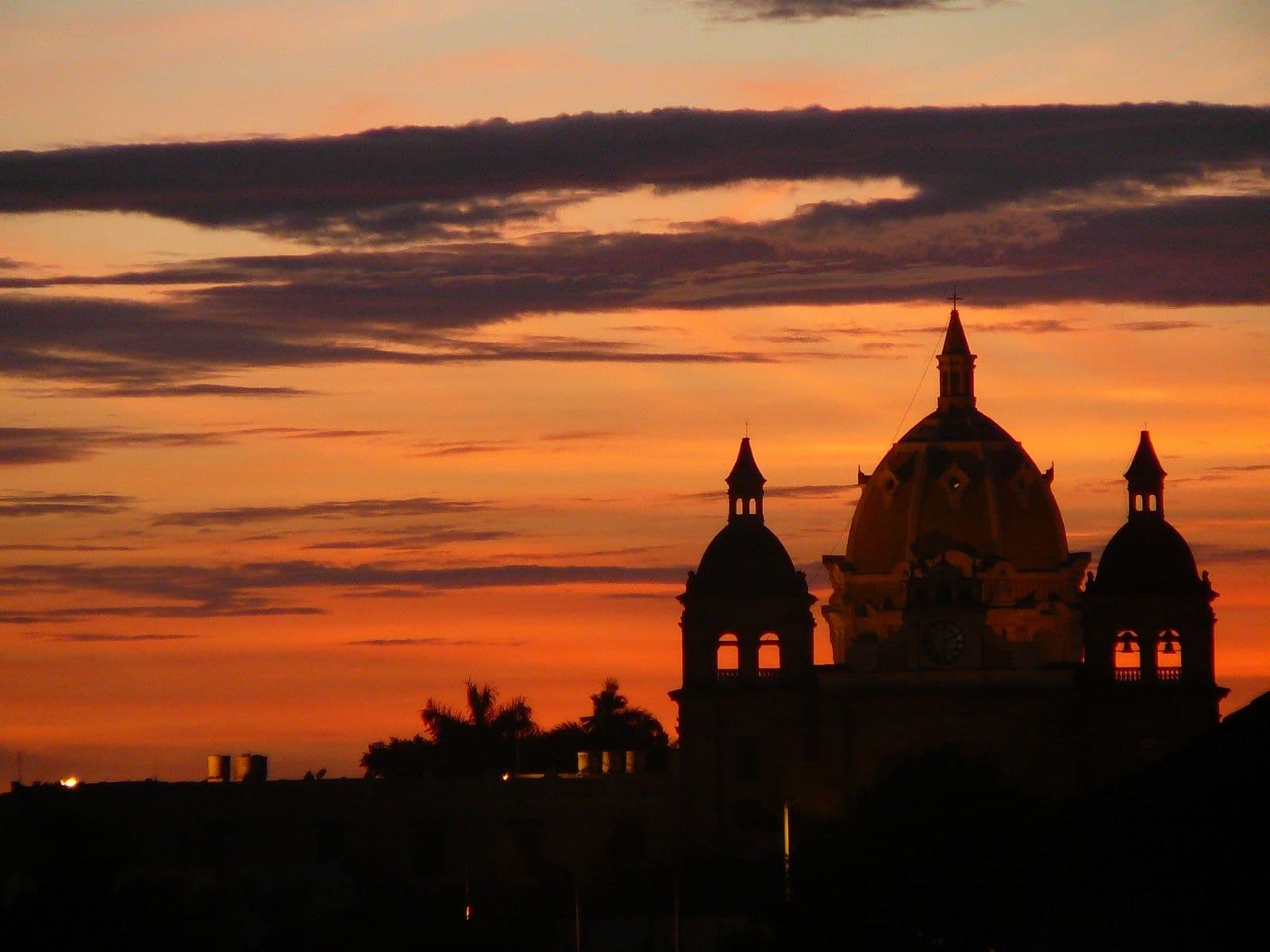
San Pedro Claver · dusk · Cartagena
bastion · San Pedro Claver
the wall · Cartagena
Teatro Adolfo Mejía · Hay Festival
wood fire · traditional kitchen
See the full journey