
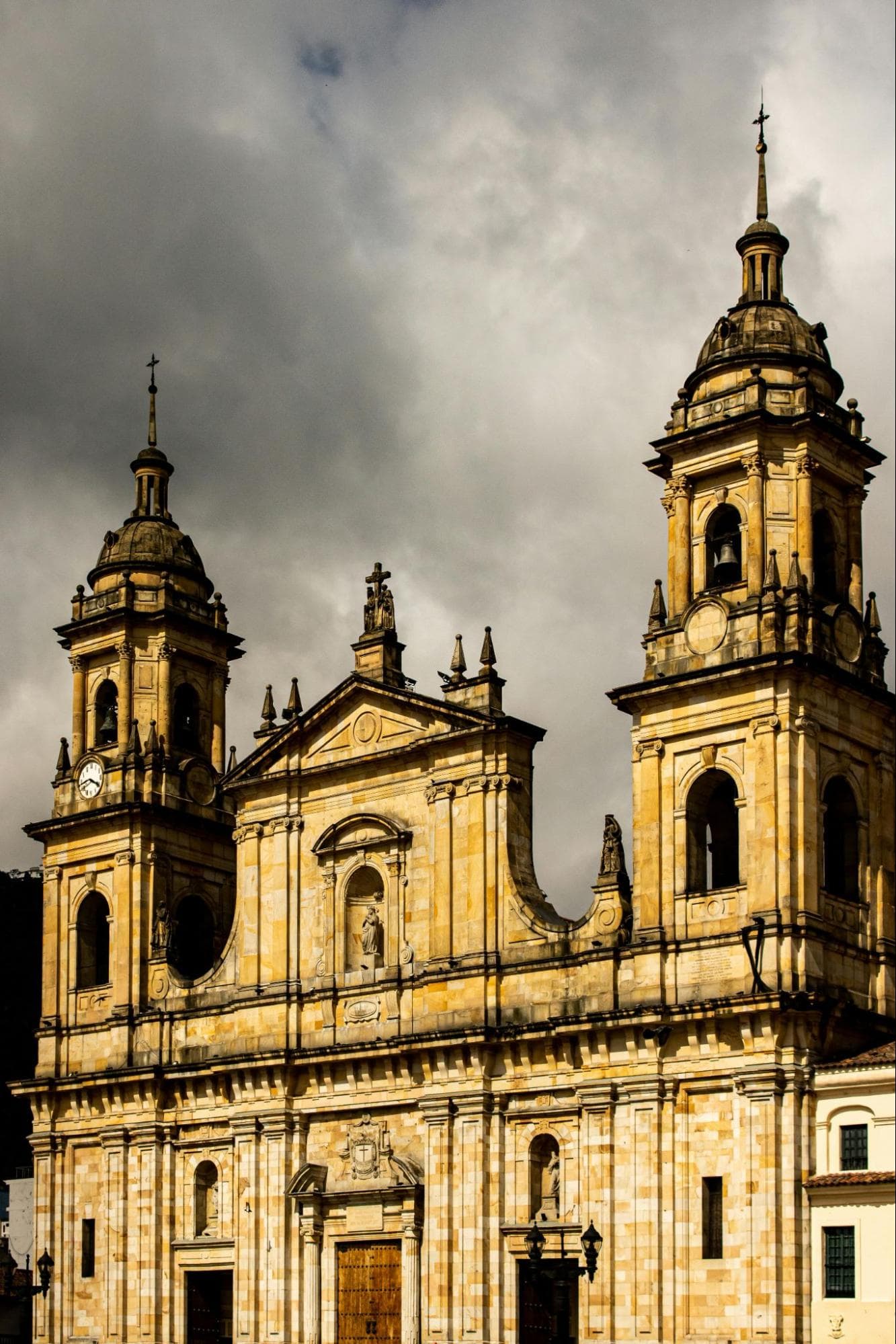
Classic Bogotá
Five centuries in three days
Bogotá carries five centuries on its back — and wears them all at once. On a single block of La Candelaria, colonial baroque, republican architecture, and a mural painted after April 9, 1948 — the day Gaitán was assassinated, the city burned, and somehow rebuilt itself — coexist in the same frame. That layering of time is what makes Bogotá so difficult to understand for those who arrive from outside, and so compelling for those who take three genuine days.
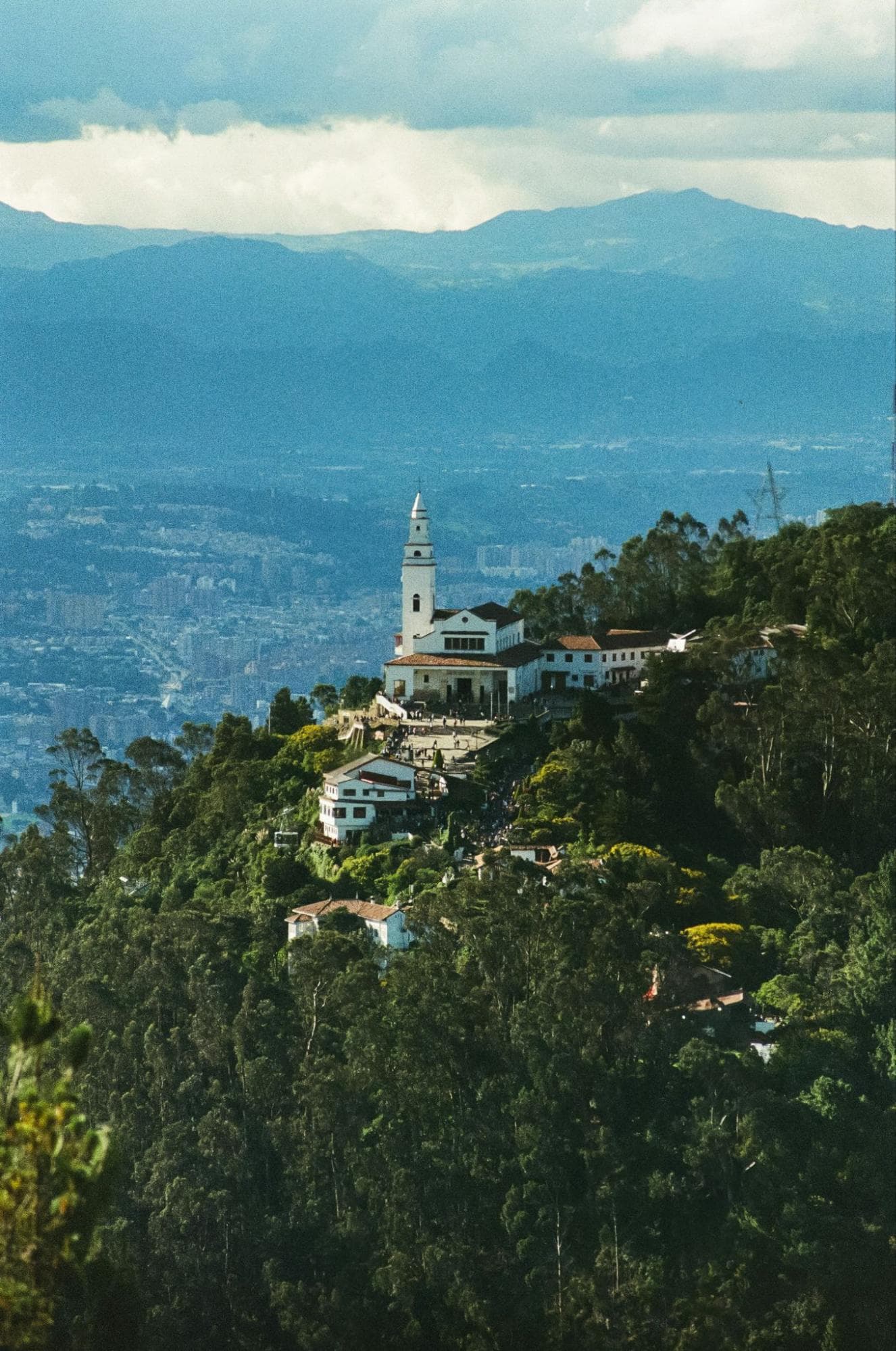
Day one: the city from above
The first day opens with a visit to the Monserrate sanctuary, where a first look at the city's historical, cultural, and social layers is possible from 3,100 metres. It closes with a welcome dinner and a conversation with a chef about the ancestral ingredients that survive in contemporary kitchens — and about the Bogotá of yesterday, today, and wherever it is going.
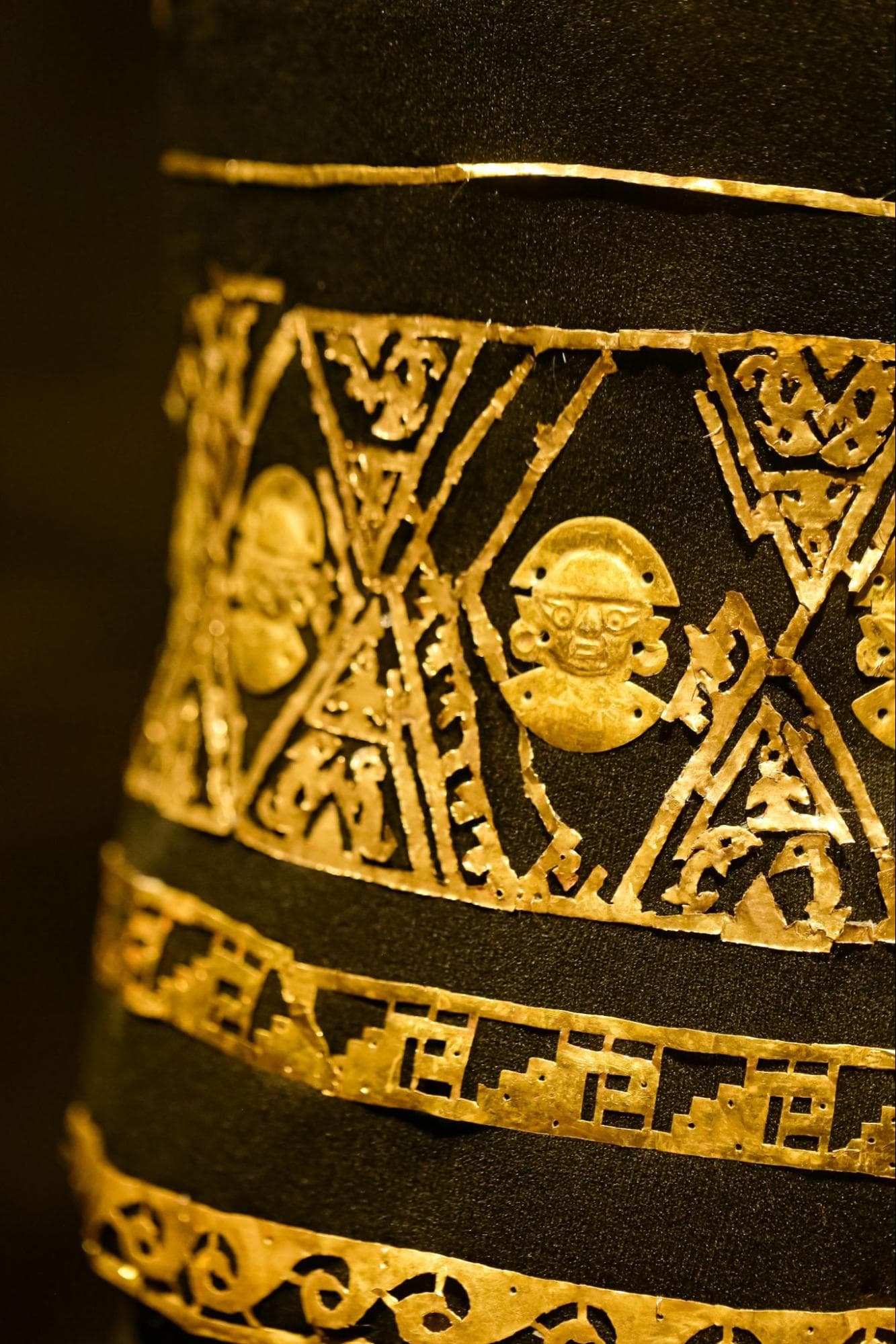
Day two: the gold that was not wealth
The second day begins with the Muisca — a people who lived along the highland lakes, with their own astronomy, their own rituals, and an economy built on the most coveted emeralds on the continent. When the Spanish arrived seeking El Dorado they found something stranger and richer: a civilization that already knew who it was. The route visits the Sacred Lagoon of Dorado, where the legend that moved empires was born, and the Salt Cathedral of Zipaquirá, carved 180 metres deep inside a mountain of salt.
The chieftain who covered himself in gold and submerged into the water as an offering. That misreading moved armies.
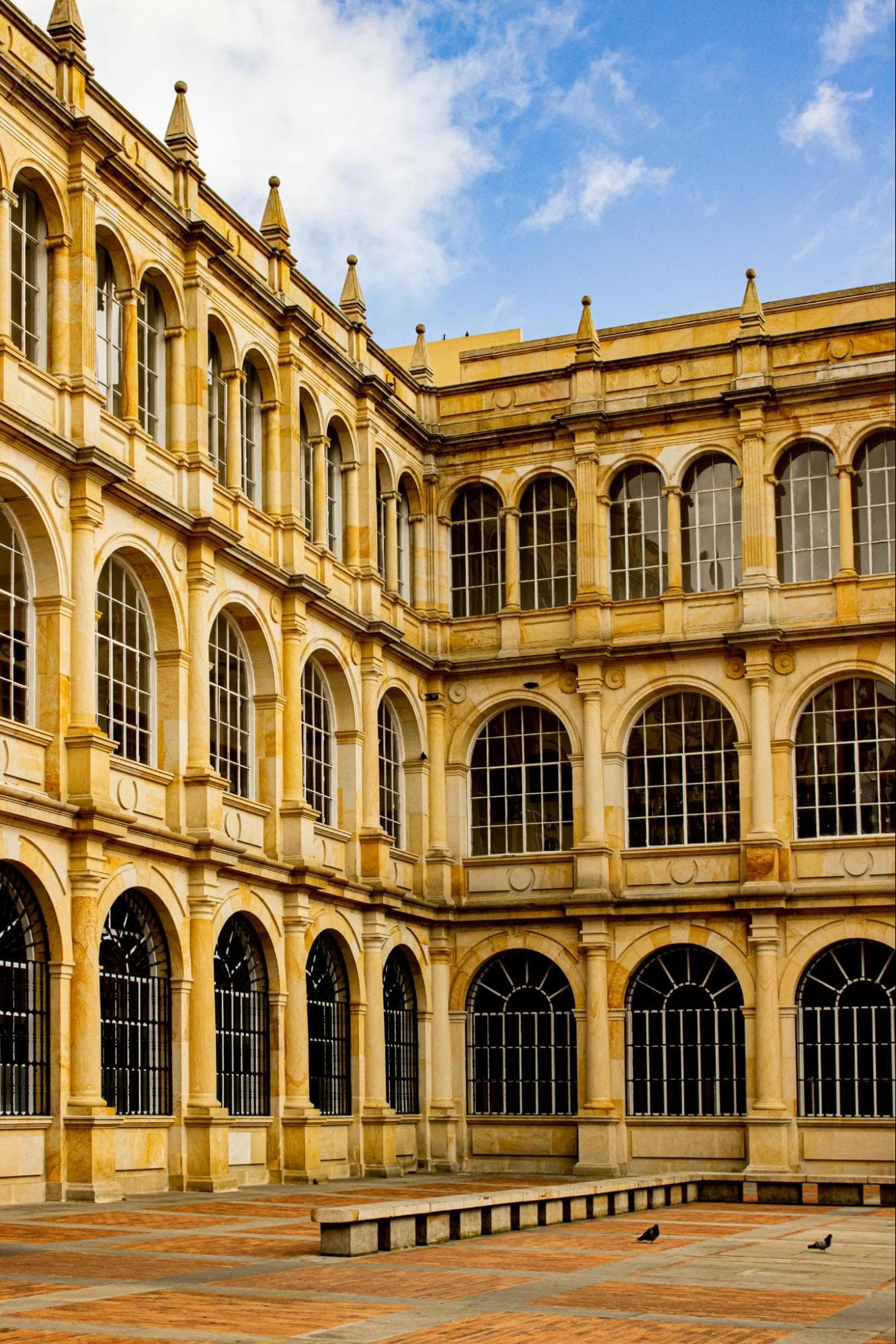
Day three: La Candelaria
The third day maps the colonial and republican city — the historical, cultural, and political heart of Bogotá. The route covers streets, buildings, churches, and emblematic museums: the Museo del Oro, the Museo Botero, and Fragmentos, a space where art channels Colombia's unhealed past.
Three days in Bogotá, with the feeling, at the end, of having understood something the city has spent five centuries trying to explain. A continuous conversation with the city — through its chefs, its artisans, its historians, its urban planners, and its streets.
Catedral Primada · Plaza Bolívar
Muisca mask · Museo del Oro
Capitolio Nacional · inner courtyard
the vernacular · La Candelaria
Monserrate · eastern hills
Carmen church · La Candelaria
La Candelaria · hill in the distance
Catedral Primada · Plaza Bolívar
colonial art · Museo Colonial
tumbaga detail · Museo del Oro
Torres del Parque · Plaza Santamaría
pre-Columbian goldwork · Museo del Oro
tower · cathedral · historic center
Transmilenio · urban mobility
See the full journey